
The Forest That Listened to Data
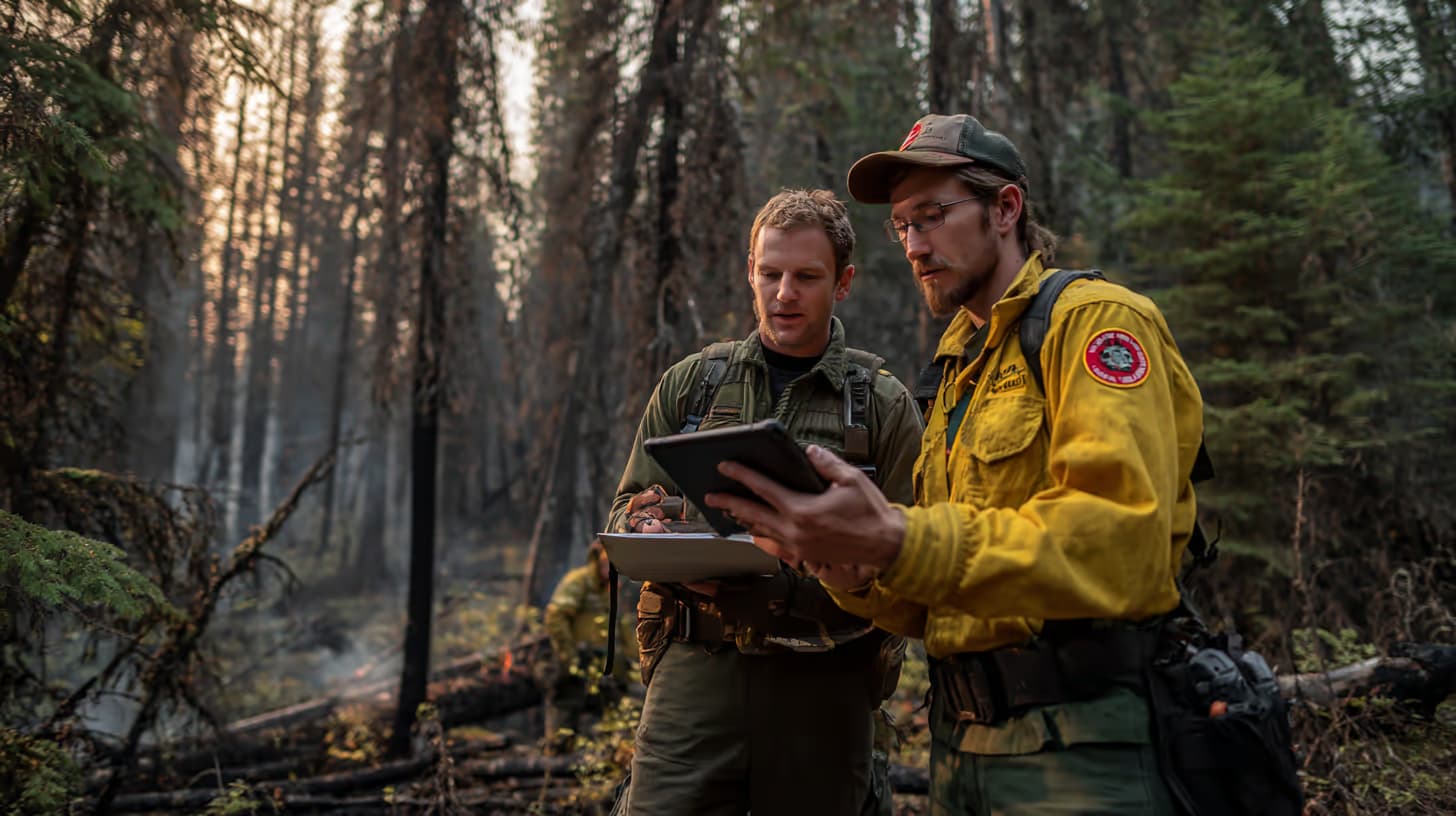
After back-to-back wildfires devastated British Columbia's interior, foresters and First Nations communities joined data scientists to create a predictive fire-risk network. Using AI models trained on satellite heat maps, wind data, and local moisture readings, the team produced daily "forest pulse" updates that community fire watchers could access from mobile radios. When sensors detected rising soil temperature and dryness, alerts reached villages within minutes. In the first summer after launch, fire response time fell by half — and more importantly, elders reported trust returning to the system that had once failed them.
Human Impact
Families who once fled yearly now stay to help monitor early warning points. Youth groups operate drone patrols as school projects. Tree-planting crews align schedules with predictive moisture maps, improving reforestation success. Data no longer feels distant or cold — it feels like listening.
What Went Right
Understanding the key factors that led to success helps us replicate these positive outcomes in other contexts.
Hybrid Intelligence: Machine learning outputs were reviewed by local rangers who validated patterns against on-the-ground conditions.
Ethical Guardrails: The model's open-source code and bias audits ensured accountability — no opaque algorithms deciding without human oversight.
Community Access: Data dashboards were translated into both English and Secwepemctsín, with radio summaries for areas without stable internet.
Feedback Loop: When alerts saved crops or homes, stories were added back into the dataset — making lived experience part of the model's "training."
Ethical Reflection
Data succeeds when it predicts with humility, not dominance. Technology earns moral power only when it collaborates with local wisdom. The goal of intelligence — artificial or human — is not control, but care.
Chart-Ed Connection
This case bridges DLL 8 (Analyzing relationships and trends) and DLL 13 (Community Data Stewardship). It demonstrates how advanced analytics remain ethical only when contextualized by community insight. For learners, it models the Chart-Ed principle that complex tools require deeper conscience.
Design & Act
Ask students to explore: How might data help predict or prevent local environmental issues (floods, pollution, erosion)? Who should interpret such predictions — experts, residents, or both? What safeguards ensure fairness, accuracy, and respect for privacy? Challenge them to design a "human-in-the-loop" model where data listens before acting.
Build Better Data Practices
The Chart-Ed Institute for Global Data Literacy provides standards and frameworks to replicate these successes.