
Counting Birds, Restoring Hope
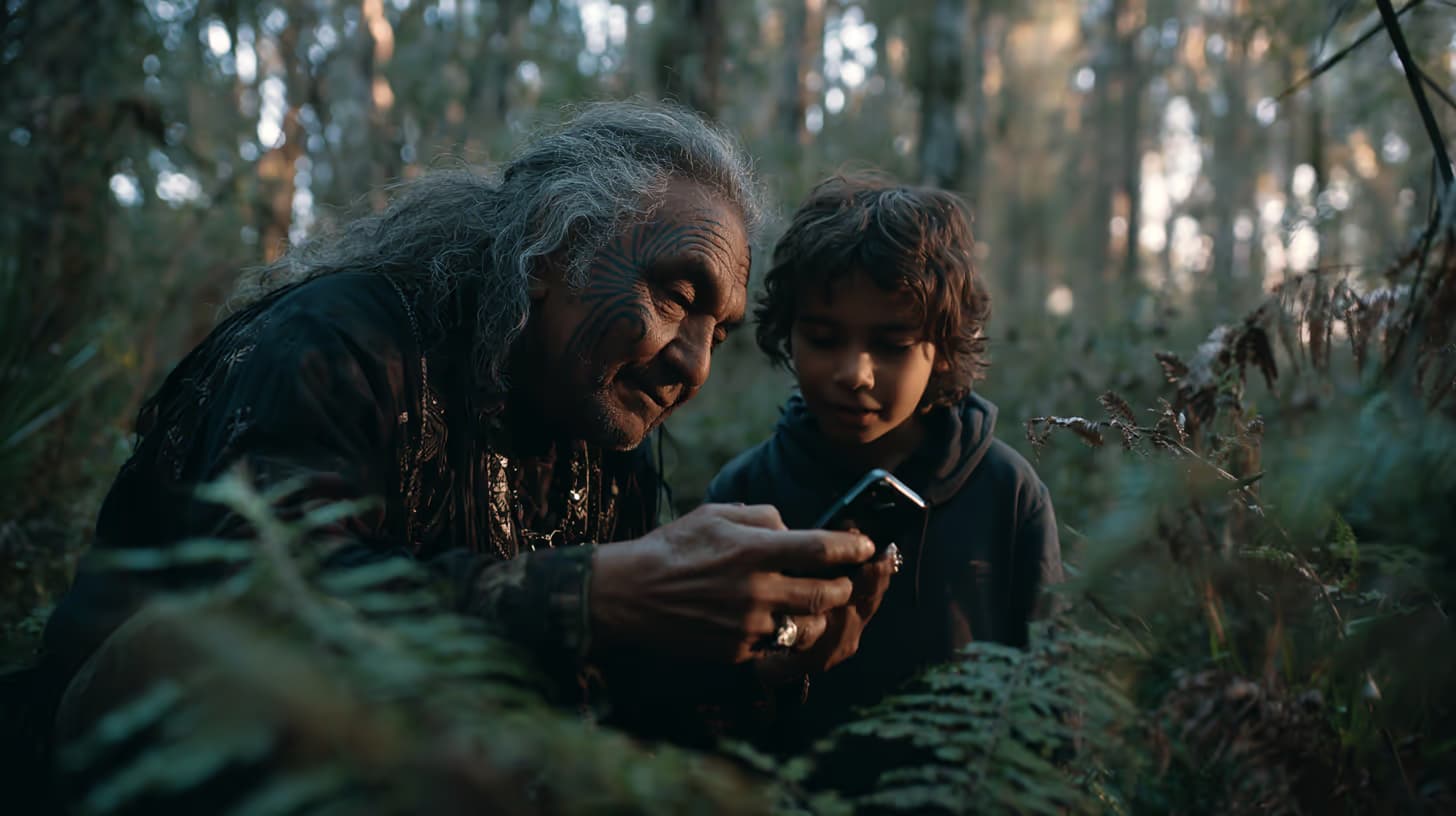
On Aotearoa New Zealand's South Island, Māori elders and local scientists joined forces to count native birds after storms devastated coastal forests. Each dawn, volunteers used a shared phone app — developed jointly by the iwi and university — to record birdsong and sightings. Data flowed in both directions: scientists analyzed migration trends, while elders annotated entries with cultural insights about seasons and food cycles. The result was not just a dataset but a living record — one that healed ecosystems and relationships alike. Within two years, species once thought to be declining began to return. Communities began to see data as a story of renewal.
Human Impact
Families who had lost traditional harvesting grounds began restoring them. Children recognized native species their grandparents once described only in stories. Scientists gained new longitudinal insight from oral records, while elders gained digital archives for future generations. Hope sounded like birdsong returning to the dawn.
What Went Right
Understanding the key factors that led to success helps us replicate these positive outcomes in other contexts.
Co-Design: Both scientific and cultural frameworks shaped the app. Icons were drawn from traditional carvings; interfaces used Māori and English labels side by side.
Reciprocity: The data was open, but ownership stayed shared — results were returned first to the communities that collected them.
Sustainability: The app linked directly to replanting efforts and funding, ensuring that each data point had a future purpose.
Education Pipeline: Schools joined weekend counts, bridging elders' oral knowledge with students' digital fluency.
Ethical Reflection
Data succeeds when it listens before it measures. Equity in science begins with honoring who the data comes from and who it must serve. When participation becomes partnership, knowledge transforms from extraction into exchange.
Chart-Ed Connection
This case bridges DLL 4 (Connecting data to context) and DLL 12 (Evaluating ethical implications of representation). Students learn that responsible data practice includes acknowledging origins and returning value. Chart-Ed classrooms can mirror this model by co-creating data stories with local communities or school ecosystems.
Design & Act
Ask learners to design a "Community Biodiversity Census." What would they measure in their local environment? Who should collect, interpret, and own the data? How can visuals (maps, icons, colors) honor cultural or neighborhood identity? Encourage them to compare how shared data changes motivation and outcomes.
Build Better Data Practices
The Chart-Ed Institute for Global Data Literacy provides standards and frameworks to replicate these successes.