
The Drought That Data Forgot
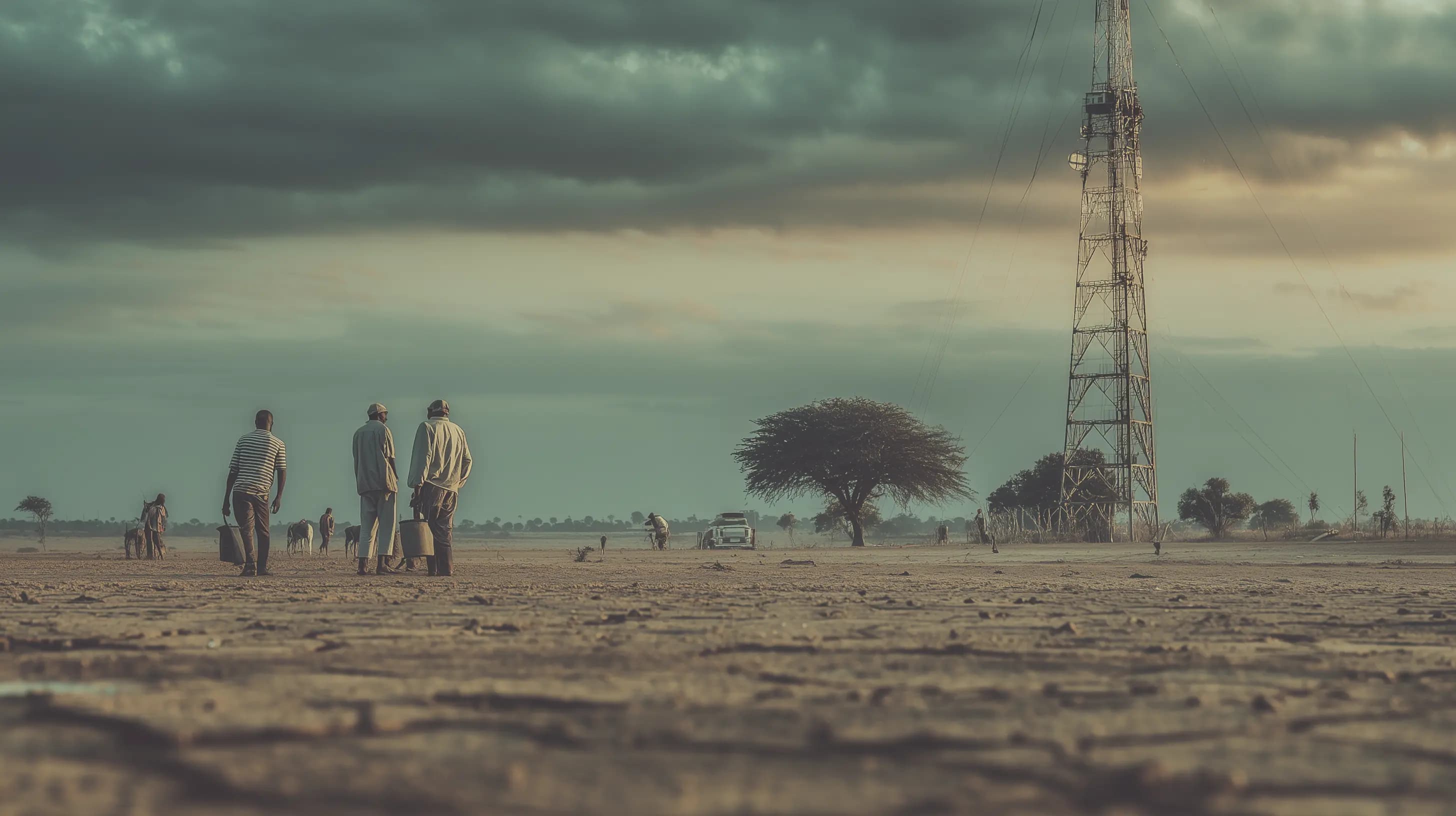
In northern Kenya, farmers planned the season using ten-year-old rainfall data. Aid agencies imported grain too late; wells ran dry. Satellite data existed — but no one had updated the national database or translated findings into local languages.
Human Impact
Families migrated, livestock died, and children missed school. The numbers were right somewhere — just not where decisions were made.
What Went Wrong
Understanding the root causes helps us prevent similar failures in the future.
Data ownership was centralized and slow. Updates stopped at the capital; rural extension officers never received the files.
Technology advanced, but communication failed — a literacy gap, not a technical one.
Ethical Reflection
Ethical data practice demands timeliness and accessibility. Knowledge hoarded or delayed becomes harm disguised as neutrality.
Chart-Ed Connection
This case bridges DLL 6 (Relate variables in context) and DLL 13 (Community Data Stewardship). Empathy-driven literacy ensures that data moves at the speed of life, not bureaucracy.
Teaching Prompt
Ask students to design a data-sharing model that keeps local communities informed in real time. Which DLL principles would guide their design?
Build Better Data Practices
The Chart-Ed Institute for Global Data Literacy provides standards and frameworks to prevent these failures.