
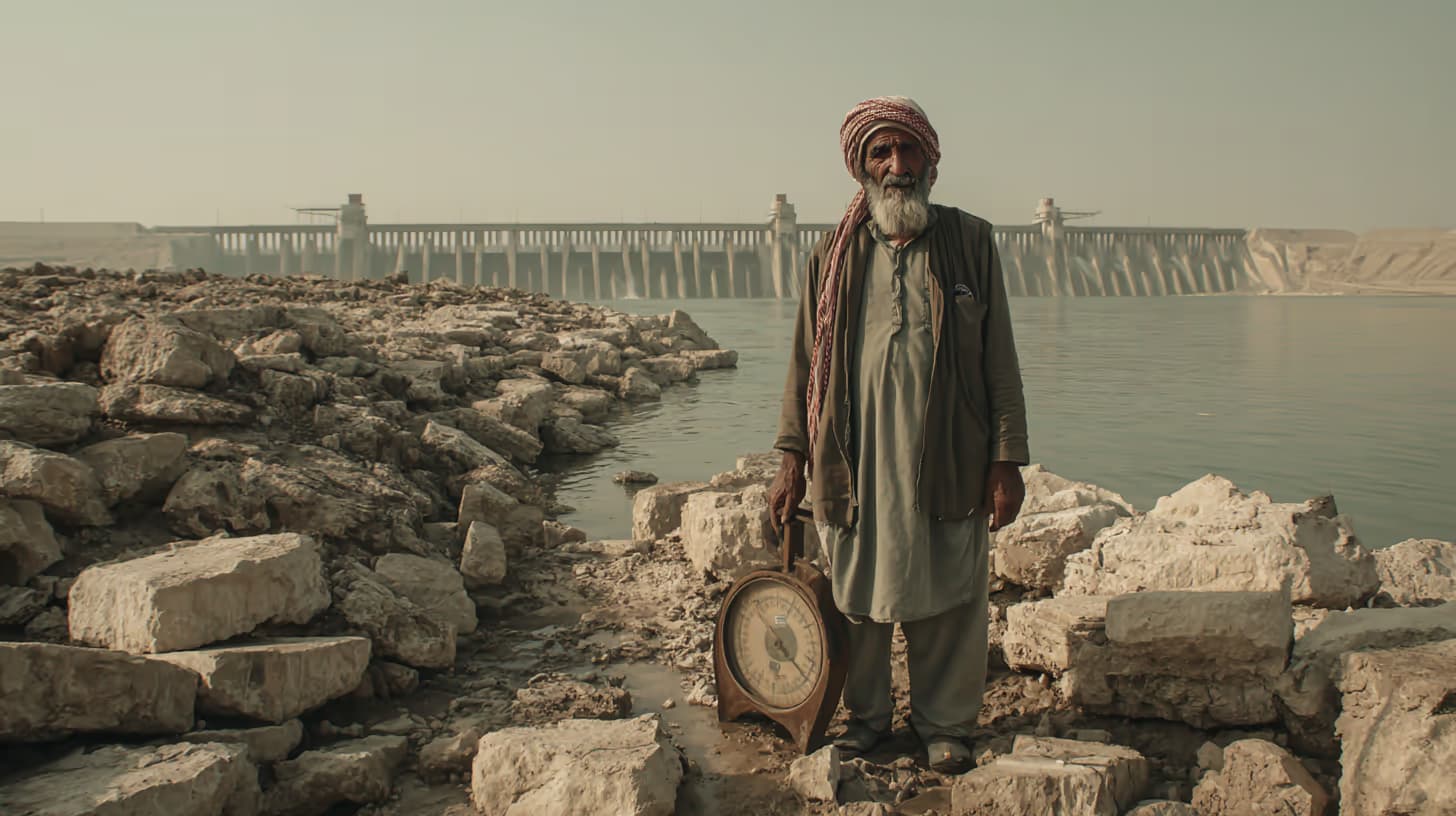
The River That Lost Its Data
Iraq's Tigris and Euphrates rivers depend on trans-border cooperation. But when upstream dam projects accelerated, downstream communities received no flow data for months. Political tension silenced scientists who once shared readings openly. Without access to real-time information, farmers planted too late, and cities rationed water by guesswork. The river ran lower — and so did trust.
Human Impact
Families abandoned farms; marshland cultures thousands of years old disappeared within a decade. Neighboring countries blamed each other instead of the opacity. Water scarcity became weapon, not warning.
What Went Wrong
Understanding the root causes helps us prevent similar failures in the future.
Data Silos: Hydrology data was declared "national security information."
Suppressed Scientists: Researchers faced restrictions on publishing flow levels.
Absence of Open Verification: Citizens couldn't cross-check claims from officials.
Environmental Consequence: Salinity rose, fisheries collapsed, and regional blame deepened.
Ethical Reflection
Data fails when it serves control instead of cooperation. Information withheld becomes misinformation by delay.
Chart-Ed Connection
Bridges DLL 10 → 15: showing how ethical data practices at national levels underpin survival itself.
Teaching Prompt
Design a trans-border data-sharing framework for water resources. Which DLL principles would ensure cooperation over control and prevent information from becoming a political weapon?
Build Better Data Practices
The Chart-Ed Institute for Global Data Literacy provides standards and frameworks to prevent these failures.